Should you play blackjack with a real dealer or choose an automated version? Is streamed roulette more enjoyable than a digital wheel? These questions often arise when beginners explore an online casino for the first time.
The debate over live casino vs digital casino games does not have one universal answer. Both formats use online technology, but they are designed for different expectations.
Live dealer games attempt to reproduce the atmosphere of a casino table, while digital titles prioritize immediate access, faster rounds, and flexible features.
Your ideal choice may depend on whether you value social interaction, privacy, speed, game variety, or lower betting limits. Internet quality and device performance can also influence the experience.
This comparison examines the advantages and limitations of both formats without suggesting that either one provides a reliable way to make money. All real-money casino games involve uncertainty.
A useful comparison should therefore focus on entertainment, transparency, personal control, and compatibility with a predetermined budget.
Live Games Offer a Human-Centered Experience
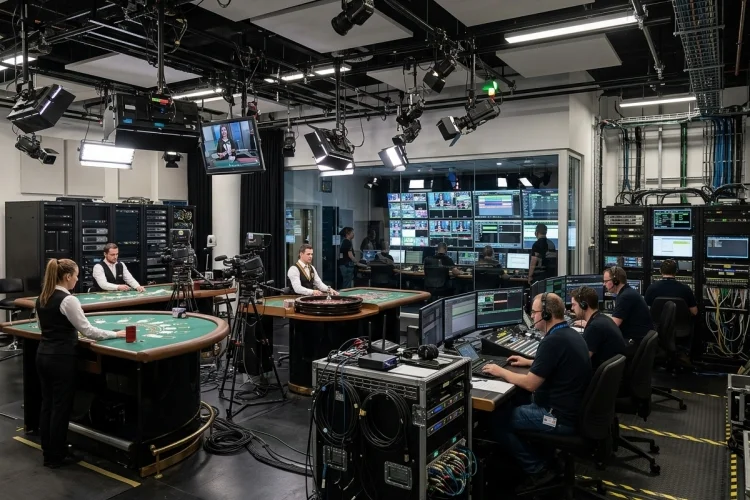
A live casino connects players to a studio through real-time video. Dealers manage the table, announce game stages, and interact with customers through the interface.
This format can make blackjack, baccarat, and roulette feel more authentic. Players watch the cards or wheel instead of seeing every action represented through animation.
Professional live studios are expected to follow documented procedures. UK regulatory standards require suitable casino-quality equipment, staff training, security controls, and processes that make operations independently auditable.
The presence of a dealer creates atmosphere, but it does not provide personal influence over the outcome. Players must still follow fixed rules and accept the game’s house advantage.
Digital Games Prioritize Convenience
Digital casino games can normally be opened at any time without waiting for a table seat or scheduled dealer. Results are processed automatically through the software.
A player can often adjust the stake, sound, animation speed, and interface settings. Some digital table games also allow practice play before real money is used.
The main advantage is flexibility. A digital game can be played privately, paused between rounds, or closed without affecting other participants.
However, the quick transition between rounds may make it easy to lose track of total wagers. Players should monitor the full amount spent rather than focusing only on the small cost of each spin or hand.
Speed Creates Different Experiences
Live dealer rounds operate according to a shared betting countdown. Everyone at the table must place wagers before the dealer closes betting and completes the physical procedure.
Digital games allow the customer to control the timing. The next round can begin immediately or only after the player decides to continue.
This makes software-based games suitable for short sessions, but faster gameplay is not automatically an advantage. Completing more rounds means exposing more wagers to the house edge.
For example, a player making 30 bets of $1 risks less total turnover than someone completing 150 bets at the same stake. The second session creates $150 in wagering even though each individual bet appears small.
Social Interaction Versus Privacy
Live tables may include dealer communication, player chat, statistics, and multilingual hosts. These features can make the experience feel shared even though customers are playing from different locations.
Digital games are usually solitary. They are better suited to people who do not want social pressure, commentary, or a fixed pace.
Neither approach is inherently safer. Social engagement may encourage some users to remain at a table longer, while private digital play can make rapid wagering less noticeable.
Players should choose the environment in which they can maintain the greatest control. Time reminders and reality checks are designed to help remote customers monitor session length.
Game Selection Is Usually Wider Digitally
Digital casino libraries can contain many categories, including slots, virtual table games, video poker, scratch-style products, and instant-win games.
Live sections normally focus on roulette, blackjack, baccarat, poker variants, craps, and hosted game shows. Modern studios may offer classic tables as well as versions featuring multipliers or bonus mechanics.
The smaller live selection reflects the resources needed to operate each table. Physical studios require trained staff, camera systems, equipment, and ongoing supervision.
Digital developers can release more variations because the rules and presentation are handled by software. Greater variety should not be mistaken for better odds.
How Fairness Is Managed
Live dealer results are generated through physical events, such as cards drawn from a shoe or a ball landing on a roulette wheel. Security procedures, equipment checks, staff supervision, and game records support integrity.
Digital games depend on random number generators and programmed mathematical models. Regulators may require RNG outcomes to pass recognized statistical tests and remain independent from previous results.
Testing laboratories can inspect RNGs and game engines for randomness, accuracy, security, and compliance. eCOGRA describes RNG certification as a process for validating that generated results are unpredictable and unbiased.
Players should use licensed operators because fairness claims are more meaningful when they are supported by regulation and independent testing.
Betting Limits and Budget Considerations
Digital games often allow very small wagers, making them more accessible to limited entertainment budgets. Some slots and virtual tables begin at only a fraction of the minimum required at premium live tables.
Live limits vary. Shared tables can offer relatively affordable stakes, while VIP rooms and dedicated tables may require considerably larger bets.
The minimum stake is only one part of the calculation. Players should consider the number of rounds, game speed, side bets, and total session length.
A lower minimum does not make digital play harmless. Frequent small wagers can accumulate into substantial turnover. Set a fixed deposit limit and avoid adding more money after the session budget is exhausted.
Which Option Is Better for Beginners?
A beginner who wants to learn table procedures may appreciate a slower live game, particularly when the dealer clearly announces each stage. However, placing bets under a countdown can feel stressful.
Digital practice modes can help users understand buttons, payouts, and basic rules without the pressure of a live table. Free-play results should still reflect the same underlying likelihood of winning where applicable under regulatory standards.
New players should begin by reading the full rules and selecting the smallest practical stake. Avoid side bets until their separate odds and payouts are understood.
The better format is the one that allows the player to remain patient, informed, and within strict limits.
Live casino games emphasize dealers, physical equipment, shared tables, and real-time interaction. Digital casino games offer faster access, more privacy, flexible settings, and a broader selection of titles.
Players seeking atmosphere and traditional table procedures may prefer live gaming. Those who value convenience, low stakes, and independent pacing may find digital products more suitable.
Neither choice changes the basic reality that casino games involve financial risk. Test the interface, study the rules, and compare minimum bets before spending money.
Choose a format based on entertainment preferences rather than promises of easy winnings, and use spending and time controls during every session.