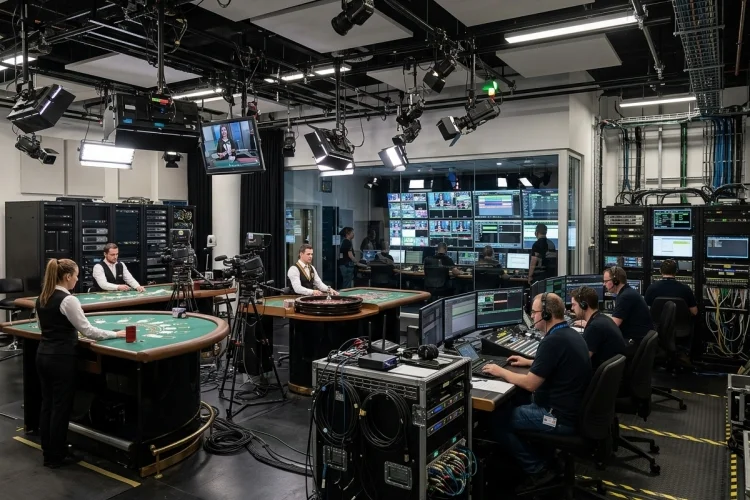
One of the main attractions of live casino gaming is the opportunity to interact with a real dealer.
Players can watch games unfold in real time, receive spoken announcements, and sometimes communicate through an integrated chat window. That interaction creates responsibilities that do not exist in the same way when using an ordinary digital slot.
Chat messages can be seen by the dealer and other participants, while distracting or abusive behavior can damage the experience for everyone. Live casino etiquette every player should know online is therefore largely about communication.
Players should remain respectful, protect personal information, avoid flooding the chat, and understand that the presenter must focus on several duties at once.
Good manners do not require constant conversation. A player can participate silently and still show proper etiquette by following the rules and making decisions promptly.
For those who choose to communicate, a few simple principles can keep the table welcoming, efficient, and comfortable for beginners and experienced users alike.
Understand How Live Chat Works
Live chat connects remote participants with a game taking place inside a professional studio. Depending on the platform, the dealer may read written messages and respond verbally.
Evolution confirms that players in its live casino products can communicate with dealers and other users through the game interface. Other players generally reply through text while the presenter answers on camera.
This arrangement means the dealer may not respond immediately. They could be dealing cards, confirming a result, changing equipment, or speaking to another customer.
Do not interpret a missed message as deliberate rudeness. Wait until the presenter has completed the current procedure before repeating an important question once.
Keep Messages Respectful
Treat the live chat as a shared public space. Avoid insults, discriminatory remarks, threats, sexual comments, or language intended to humiliate another person.
The dealer is an employee performing a professional role, not a target for frustration after a losing round. A card, wheel, or dice result is not chosen according to the dealer’s preference.
Respect should also extend to other players. Do not mock a beginner who misunderstands a rule or criticize someone for choosing a different wager.
Friendly conversation is usually welcome when it does not interfere with the game. A short greeting, congratulations, or relevant question is more appropriate than confrontational commentary.
Avoid Spamming the Table
Sending repeated messages, excessive symbols, or long unrelated stories can overwhelm the chat window. It may also prevent dealers from seeing legitimate questions.
Do not repeatedly post predictions, promotional links, referral codes, or requests for attention. One clear message is normally sufficient.
Rapid messages become particularly distracting in live game shows, where the host may be communicating with a large audience. Evolution’s game-show interfaces also support real-time chat with hosts and participants.
When the table is busy, keep messages brief and related to the current game. Save extended conversation for private social platforms rather than a public wagering interface.
Never Share Personal Information
Do not reveal your full name, home address, telephone number, email address, account credentials, or financial information in live chat.
Other participants do not need to know which payment method you use or how much money remains in your account. A stranger offering guaranteed strategies or private assistance may be attempting to move the conversation outside the regulated platform.
Dealers should not need passwords or complete banking details to answer a gameplay question. Contact official customer support through the casino website for account-specific matters.
Never accept a claim that another chat user can recover losses, modify game results, or arrange a private payout.
Do Not Pressure the Dealer
Dealers must follow established rules and studio procedures. They cannot change a result, extend the betting timer, or ignore the table’s limits because a customer asks.
Live dealer studios are expected to conduct games fairly and maintain records that can be independently audited. A presenter who follows the procedure is protecting the integrity of the table.
Avoid asking dealers to reveal private information about themselves or other employees. Personal conversations can place them in an uncomfortable position while they are working.
Compliments should remain appropriate and focused on professionalism. Repeated remarks about appearance may feel intrusive even when the sender considers them positive.
Avoid Giving Misleading Gambling Advice
Players sometimes use chat to announce “winning systems” or predict the next outcome. Such statements can confuse beginners and encourage risky decisions.
Roulette streaks do not guarantee that the opposite color is due. Similarly, another player’s blackjack decision should not be treated as the cause of a personal loss.
Do not tell someone to recover losses by doubling their stake. Responsible product standards specifically seek to prevent encouragement to chase losses or increase planned gambling amounts.
General explanations of rules can be helpful, but they should not be presented as guaranteed strategies. When uncertain, direct the player to the official game information instead.
Respect Language and Cultural Differences
Live casino tables may serve international audiences. Dealers and players can have different accents, language abilities, and communication styles.
Choose a table in a language you understand whenever possible. Evolution and other major suppliers offer native-speaking and localized live tables for different markets.
Do not mock pronunciation or demand that every participant use slang familiar to you. Simple, direct language is usually easier for an international audience.
Emojis can help communicate tone, but they should not replace clear questions when discussing rules or disputed rounds.
Use Proper Channels for Complaints
The chat window is not the best place to resolve account restrictions, missing withdrawals, identity checks, or bonus disputes. The dealer usually cannot access personal account information.
For a game issue, record the table name, round number, stake, and time. Then contact the operator’s official support department.
Live dealer systems should maintain auditable information, while technical standards provide procedures for handling interrupted rounds fairly.
A calm, specific report is more likely to receive a useful investigation than repeated accusations in public chat.
Recognize When to End the Session
Conversation can make live gaming feel social, but the presence of friendly dealers should not encourage customers to remain longer than intended.
Set a session limit before entering the table. Reality-check tools can display the amount of time that has elapsed and require the player to acknowledge the reminder.
Stop when you become angry, tired, or tempted to recover previous losses. The Malta Gaming Authority identifies time-outs and self-exclusion as important safer-gambling controls for online customers.
Leaving politely is always better than continuing a session that is no longer controlled or enjoyable.
Live casino etiquette every player should know online centers on respectful communication. Use chat appropriately, keep messages brief, protect personal information, and never blame or pressure the dealer over game outcomes.
Players should also avoid spam, misleading betting advice, personal insults, and public arguments about account issues. Formal complaints belong with customer support, where transaction records and technical information can be reviewed properly.
The next time you join a live table, observe the conversation before posting and follow the tone of a professional public environment.
Set time and spending limits before the first wager, use safer-gambling controls when needed, and participate only through licensed platforms permitted in your location.